
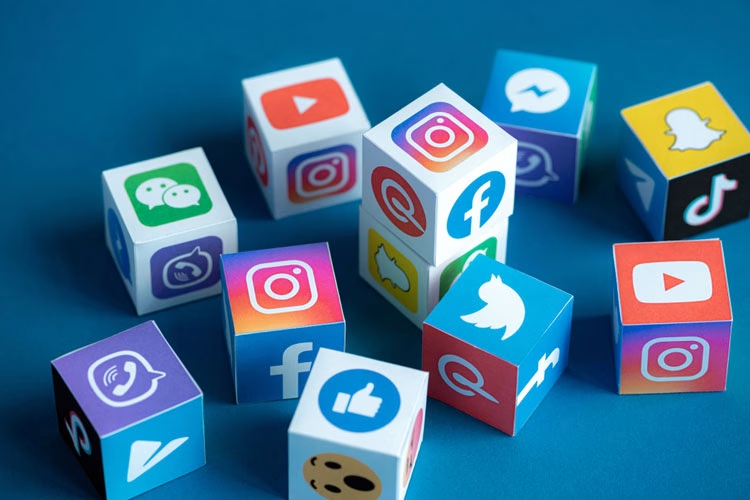
Over the past two decades, social media has transformed the way people communicate, share information, and connect with others around the world. What once required letters, phone calls, or face-to-face interaction can now happen instantly through digital platforms. Social media has become an essential part of daily life for millions of people, influencing how individuals, businesses, and communities interact. While it has brought many advantages, it has also changed communication patterns in ways that continue to evolve.
Instant Global Communication
One of the most significant ways social media has shaped modern communication is by making global interaction instant and accessible. Platforms such as Facebook, Instagram, X, and TikTok allow users to share messages, images, and videos with audiences across the world in seconds.
This level of connectivity has removed many traditional barriers of distance and time. Families living in different countries can communicate daily, friends can stay connected regardless of location, and businesses can interact directly with customers from multiple regions.
For individuals, this means communication has become faster and more convenient than ever before. Information can spread globally within minutes, influencing conversations, trends, and public opinion on a massive scale.
Changing the Way People Express Themselves
Social media has also expanded the ways people express themselves. Traditional communication methods relied mainly on written or spoken words, but modern platforms incorporate images, videos, emojis, and live streaming.
These multimedia tools allow individuals to share personal experiences, opinions, and creative ideas in more engaging ways. A short video or photo post can communicate emotions or stories that might take paragraphs to describe in text.
Content creation has also become more accessible. Anyone with a smartphone and internet connection can share content with a global audience, leading to the rise of influencers, online creators, and independent media voices.
Social Media as a News and Information Source
Another major impact of social media is its role as a source of news and information. Many people now rely on social media platforms to stay informed about current events, trends, and developments.
News organizations share articles and updates on social media, allowing users to access information quickly. In addition, ordinary individuals can report events in real time by posting photos or videos directly from the scene.
While this rapid flow of information has improved awareness and engagement, it has also introduced challenges. The spread of misinformation and unverified content has become a major concern. As a result, users must learn to evaluate sources carefully and verify the accuracy of the information they encounter online.
Strengthening Communities and Social Movements
Social media has also played a powerful role in building communities and supporting social movements. Online platforms allow people with shared interests, goals, or experiences to connect and organize.
Activists, organizations, and communities can raise awareness about important issues and mobilize support more effectively than ever before. Campaigns that once relied on traditional media coverage can now gain momentum through online discussions and viral content.
This ability to reach large audiences quickly has helped amplify voices that might otherwise go unheard, encouraging greater participation in social, cultural, and political conversations.
Impact on Business Communication
Businesses have also adapted to the rise of social media as a communication tool. Companies now use social platforms to promote products, engage with customers, and provide support services.
Direct interaction with customers helps businesses build stronger relationships and receive immediate feedback. Customers can ask questions, share reviews, and express opinions about products or services in real time.
Social media marketing has become one of the most effective ways for brands to reach targeted audiences, especially younger consumers who spend significant time online.
Challenges of Social Media Communication
Despite its many benefits, social media also presents challenges for modern communication. One concern is that online interactions may sometimes replace meaningful face-to-face conversations.
Constant connectivity can also create pressure to stay active and responsive on multiple platforms. Additionally, misunderstandings may occur more easily in digital communication because tone and context are harder to interpret without physical cues.
Privacy is another major concern. Users must be mindful of the personal information they share online and understand how digital platforms manage and store data.
The Future of Digital Communication
Social media will likely continue to shape communication in new ways as technology evolves. Innovations such as virtual reality, augmented reality, and artificial intelligence may further enhance digital interactions.
Despite these technological changes, the fundamental purpose of communication remains the same: connecting people, sharing ideas, and building relationships.
Conclusion
Social media has dramatically reshaped the way people communicate in modern society. By enabling instant global connections, expanding creative expression, and providing new opportunities for community engagement, social platforms have become central to everyday communication.
While challenges such as misinformation and privacy concerns persist, social media’s influence on communication continues to grow. Understanding how to use these platforms responsibly and effectively can help individuals and organizations benefit from the opportunities they provide while maintaining meaningful connections in an increasingly digital world.
Related Posts