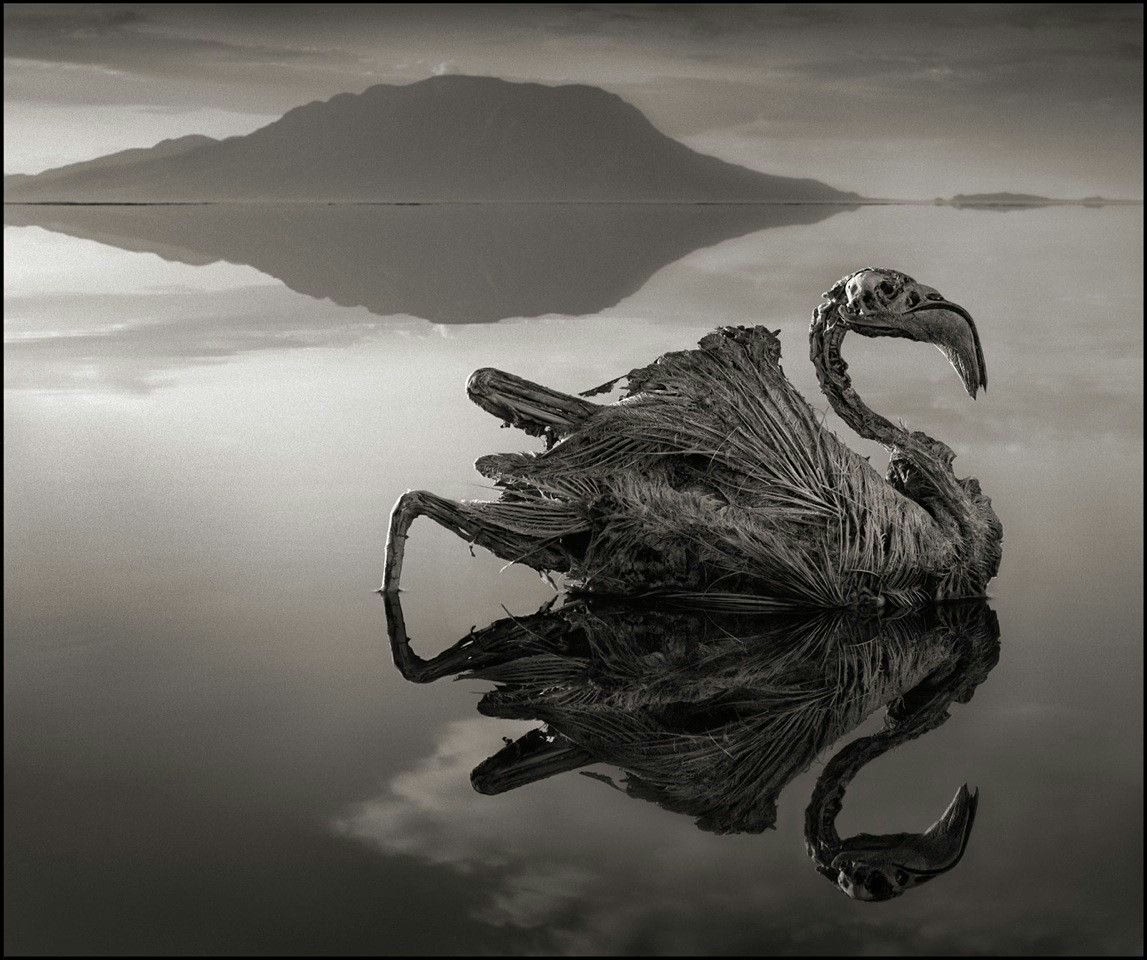
Hidden in northern Tanzania, near the border with Kenya, lies one of the most haunting natural wonders on Earth: Lake Natron. At first glance, it looks like a surreal, blood-red body of water surrounded by barren landscapes and volcanic hills. But what truly sets this lake apart is a chilling reputation—it can turn animals into stone-like statues.
While the animals are not literally petrified, the effects of Lake Natron’s extreme chemistry are so dramatic that they appear frozen in time, as if sculpted from stone. This bizarre phenomenon has made Lake Natron one of the strangest and most fascinating places on the planet.
What Makes Lake Natron So Dangerous?
Lake Natron’s deadly nature comes from its extraordinary salt and mineral content. The lake is fed by mineral-rich hot springs and rivers flowing from volcanic terrain. Over time, intense evaporation under the African sun has concentrated these minerals to extreme levels.
The lake contains:
- High concentrations of sodium carbonate
- Very high alkalinity, with pH levels reaching up to 10.5
- Water temperatures that can exceed 60°C (140°F) in some areas
This combination creates an environment so harsh that most animals cannot survive contact with the water.
How Animals Become “Stone Statues”
When birds or other animals accidentally land in or drink from Lake Natron, the consequences can be fatal. The highly alkaline water can:
- Burn skin and eyes
- Damage feathers, making flight impossible
- Causes severe dehydration
If an animal dies in or near the lake, mineral deposits rapidly coat the body. Over time, sodium carbonate hardens on the remains, creating a stone-like appearance.
These preserved bodies often wash up along the shoreline, eerily intact, giving rise to the myth that the lake literally turns creatures into stone.
The Lake’s Blood-Red Color
Lake Natron’s striking red and pink hues add to its otherworldly reputation. This color comes from microorganisms—particularly haloarchaea and cyanobacteria—that thrive in salty, alkaline environments.
These microbes produce red pigments as part of their survival process. When water levels drop, the colors intensify, transforming the lake into a crimson mirror that looks almost alien.
A Deadly Lake That Supports Life
Despite its hostility, Lake Natron plays a crucial role in the ecosystem. Remarkably, it is one of the most important breeding grounds in the world for lesser flamingos.
Flamingos thrive here because:
- Their tough skin and specialized legs tolerate alkaline water
- Few predators can survive near the lake
- The algae in the lake provide an abundant food source
In fact, over 75% of the world’s lesser flamingos are born at Lake Natron, proving that even the most extreme environments can support life under the right conditions.
A Landscape Shaped by Volcanoes
Lake Natron lies near the Great Rift Valley, an area shaped by intense geological activity. Nearby volcanoes, including Ol Doinyo Lengai, contribute mineral-rich ash and lava to the region.
This volcanic influence continually replenishes the lake’s chemistry, ensuring it remains among the most alkaline bodies of water on Earth.
Final Thoughts
Lake Natron is a stark reminder that nature can be both beautiful and deadly. Its stone-like animal statues are not the result of magic or myth, but of extreme chemistry shaped by heat, minerals, and time.
In a world filled with wonders, Lake Natron stands apart as a place where life and death coexist in dramatic contrast—a natural phenomenon so strange that it feels almost supernatural.
Related Posts