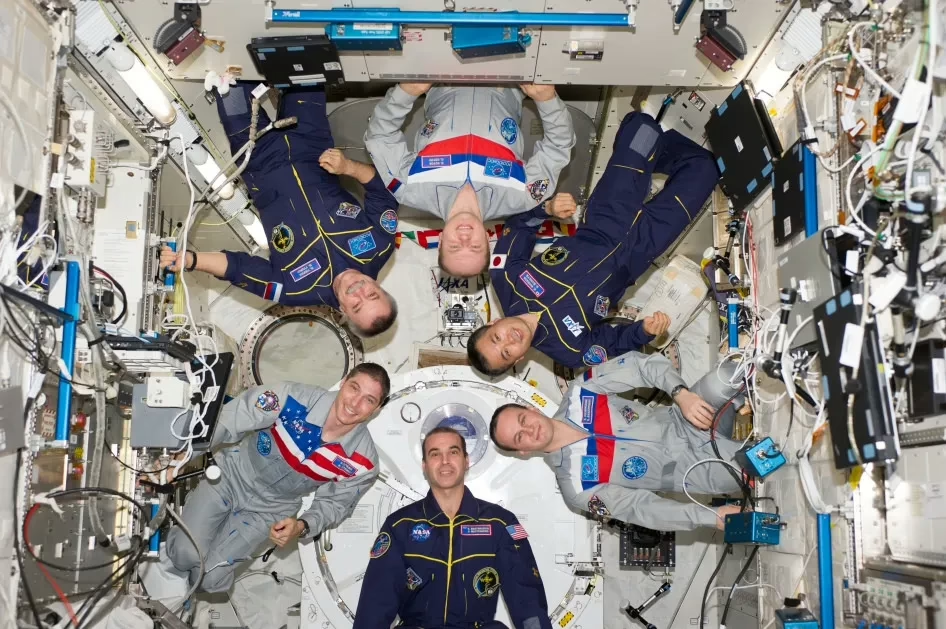
It sounds like a magic trick or a science-fiction plot, but it’s a real and well-documented phenomenon: astronauts actually grow taller in space. Some astronauts gain up to two inches in height during long missions. The reason isn’t evolution, radiation, or special equipment—it’s simply the absence of gravity.
When gravity no longer presses down on the human body, the spine finally has a chance to stretch. This temporary growth offers a fascinating glimpse into how deeply gravity shapes our everyday lives.
Gravity’s Constant Pressure on the Human Spine
On Earth, gravity is always at work. From the moment we stand up in the morning, our body weight presses down on our spine. The human spine consists of 33 vertebrae, separated by soft, gel-like structures called intervertebral discs.
These discs act like shock absorbers. Throughout the day, gravity compresses them slightly, causing people to be taller in the morning and a bit shorter by night. This daily height loss is usually small—about 1 to 2 centimeters—but it’s noticeable over time.
In space, however, gravity’s compressive force disappears entirely.
What Happens to the Spine in Space?
In microgravity, the spine no longer needs to support body weight. Without constant compression, the intervertebral discs expand, allowing the spine to lengthen.
As a result:
- Vertebrae spread farther apart
- The spinal column straightens
- Astronauts gain height, sometimes up to two inches
This stretching often happens within the first few days of spaceflight and can feel uncomfortable at first. Many astronauts report back stiffness or mild pain as their spines adjust to their new, elongated shape.
The “Space Body” Effect
Spinal elongation isn’t the only physical change astronauts experience. Living in microgravity affects the entire body.
Common changes include:
- A slightly longer torso
- A flatter spine curvature
- Puffy faces due to fluid shifting upward
- Thinner legs from reduced muscle use
Together, these changes create what scientists sometimes call the “space body” effect—a temporary reshaping of the human form in zero gravity.
Does Growing Taller Cause Problems?
When astronauts grow taller, their spacesuits and spacecraft seats no longer fit exactly as they did on Earth. Even small changes in height can affect comfort, mobility, and safety.
More importantly, spinal stretching can increase the risk of:
- Back pain during missions
- Muscle stiffness
- Disc injury after returning to Earth
To manage this, astronauts follow strict exercise routines and wear specially designed suits that help keep their spines aligned.
Why Astronauts Shrink Back on Earth
The extra height gained in space doesn’t last. Once astronauts return to Earth’s gravity, the spine begins to compress again.
Within days or weeks:
- Intervertebral discs return to normal size
- The spine resumes its natural curves
- Astronauts return to their original height
However, the transition isn’t always easy. Some astronauts experience back pain after landing, and studies show a slightly higher risk of herniated discs following space missions.
How NASA and Space Agencies Address the Issue
Space agencies take spinal health seriously. Astronauts spend about two hours a day exercising in space to maintain muscle strength and protect their bones and spine.
Key countermeasures include:
- Resistance exercises to simulate gravity
- Stretching routines to manage spinal discomfort
- Special sleeping positions to support the back
Engineers also design spacecraft interiors and equipment with adjustable dimensions to accommodate changes in body length.
What This Teaches Us About Life on Earth
The fact that astronauts grow taller in space highlights how adaptable—and fragile—the human body is. Gravity, something we rarely think about, plays a constant role in shaping our bones, muscles, and posture.
It also helps scientists better understand:
- Spinal health and compression injuries
- Age-related height loss
- Rehabilitation for back and disc problems
Research from space medicine has already influenced physical therapy and spinal treatments on Earth.
Could Long-Term Space Living Change Humans Permanently?
As missions to the Moon and Mars become longer, scientists are studying whether extended time in low-gravity conditions could cause lasting changes in the human body.
While current evidence suggests height changes are temporary, long-term exposure could affect:
- Bone density
- Muscle mass
- Spinal structure
Understanding these effects is crucial before humans can safely live beyond Earth for extended periods.
Final Thoughts
Astronauts growing taller in space may sound like a fun fact, but it’s a powerful reminder of gravity’s invisible influence on our lives. When gravity disappears, the body responds in unexpected ways—stretching, shifting, and adapting to a completely new environment.
Space doesn’t just change how we move—it changes how we are built, even if only for a while. And in that quiet stretching of the spine, we see just how deeply Earth shapes who we are.
Related Posts